Al Salt
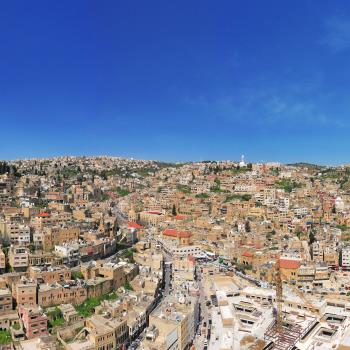
Salt is about 28
km N/W of Amman. The name as-Salt comes from the Latin origin “Saltus” meaning
the Valley of Trees or “ThickForest”. It was the regional capital during the
Byzantine era and the capital of the important province of Al-Balqa during the
Islamic period.
In the late 19th
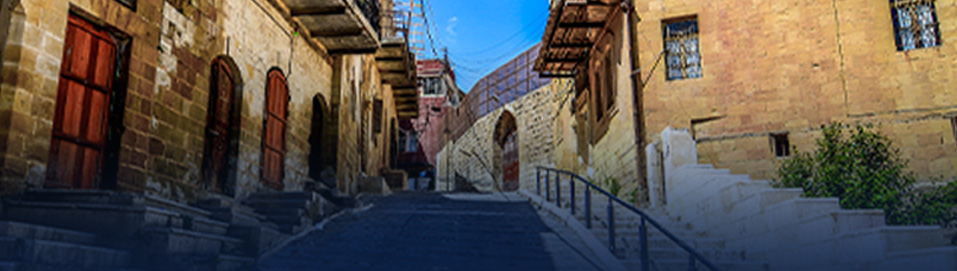
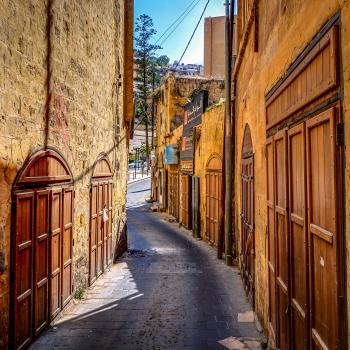
century, Salt became an important commercial center and went through a period
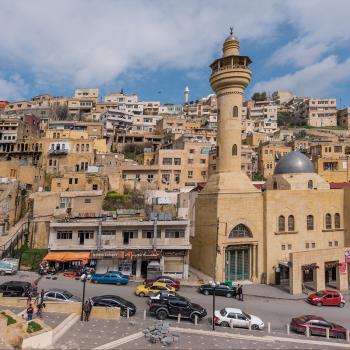
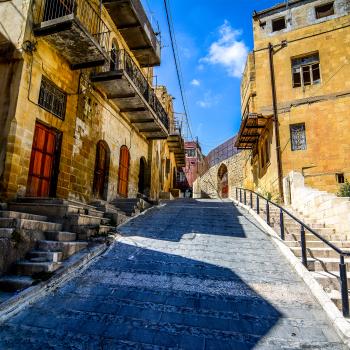
of rapid expansion. Many buildings from this period survive to the present day.
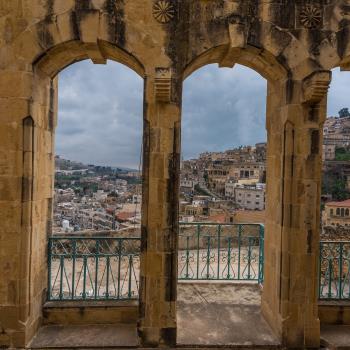
They were built in an architecturally elegant style, using attractive honey-colored
local stone wrought-iron balconies.
Right after World
War I, the town was the site from which Herbert Samuel, British High
Commissioner for Palestine and Trans-Jordan, chose to make his announcement
that the British favored self-government for Jordan (which was finally granted
in 1921).
You can have a
nice afternoon wandering around, drinking coffee at a local coffee shop, and
visiting sites such as Share’ al-Hammam, the Museum of Antiquities of Salt, the
handicrafts shops, the Latin Church Complex, the shrine of Prophet Ayuob
(Biblical Job) and the shrine of Joshua. Future plans are to create a
pedestrian mall that links historic buildings, handicrafts shops and other
points of interest in the center of Salt.
Nearby, there is
Wadi Shuayb, famed for its fertile soil and the quality of its fruits and
vegetables. It is believed to be the burial place of Prophet Shuayb (Jethro;
Moses’ father in-law).