



JORDAN
Bird watching tour
Tour Overview
Duration
14 Days
Age
+18 Old+
Trip Type
Nature & ECO
Fully Guided
Local Guided
Physicality
Moderate
Camping
1
Hotel Rating
4-5 Star
Details Jordan Tour
Experience the natural beauties and rich cultural heritage of Jordan the best way possible.
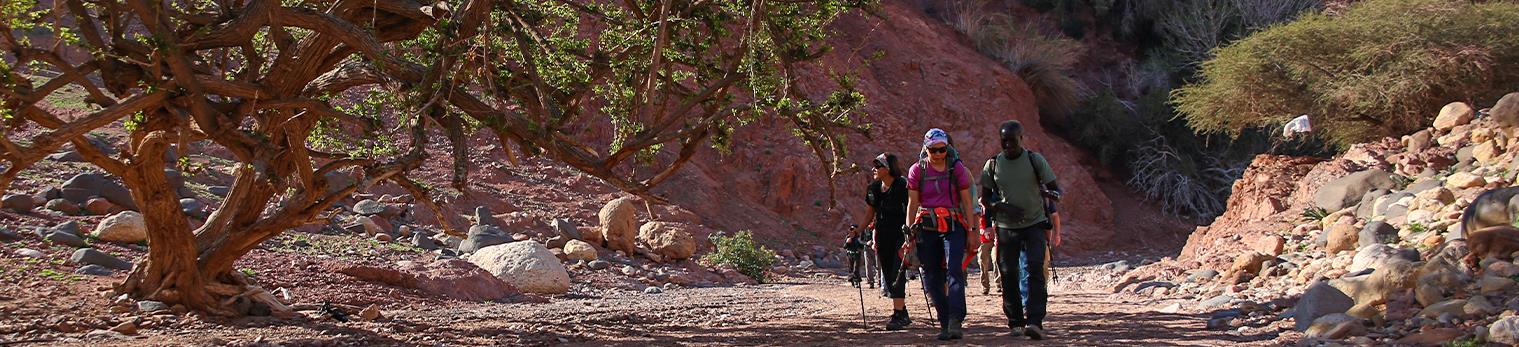
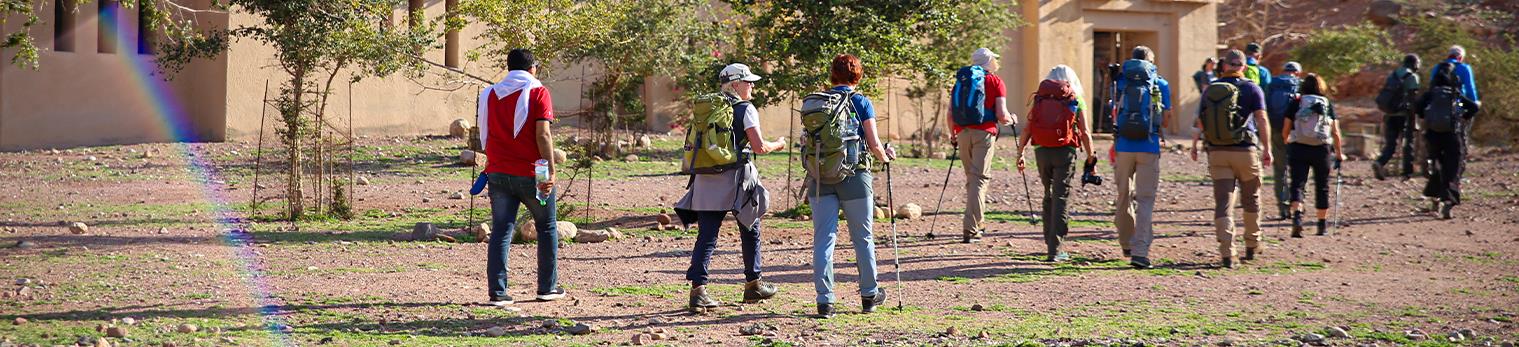
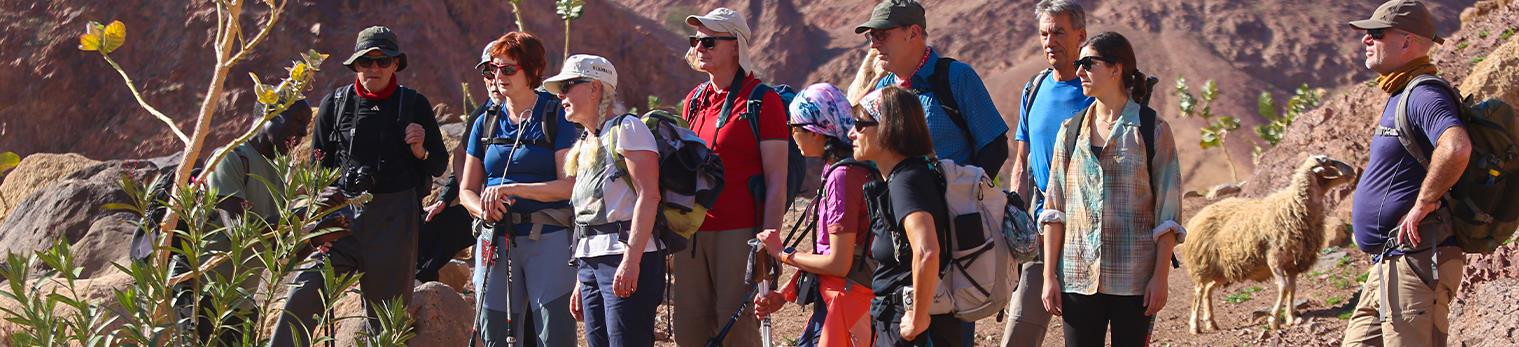
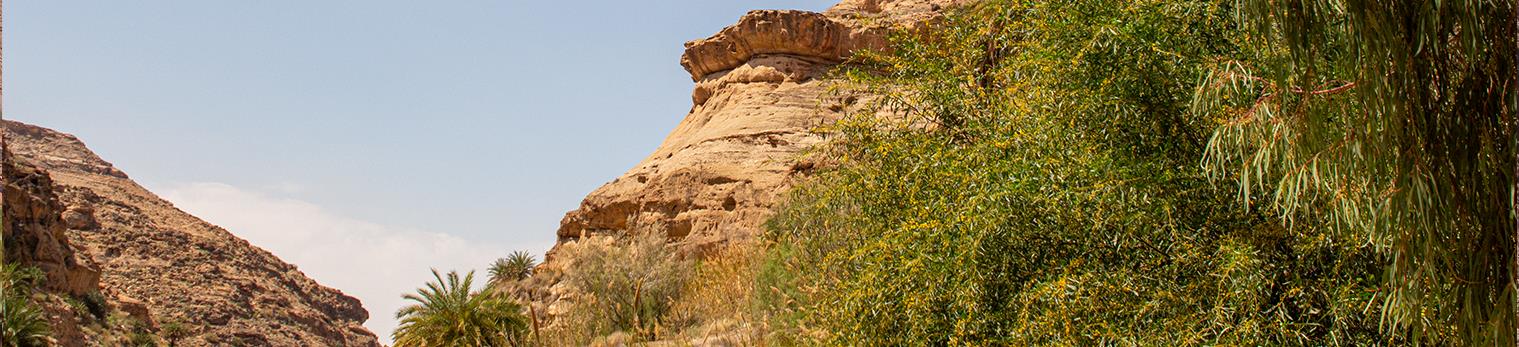
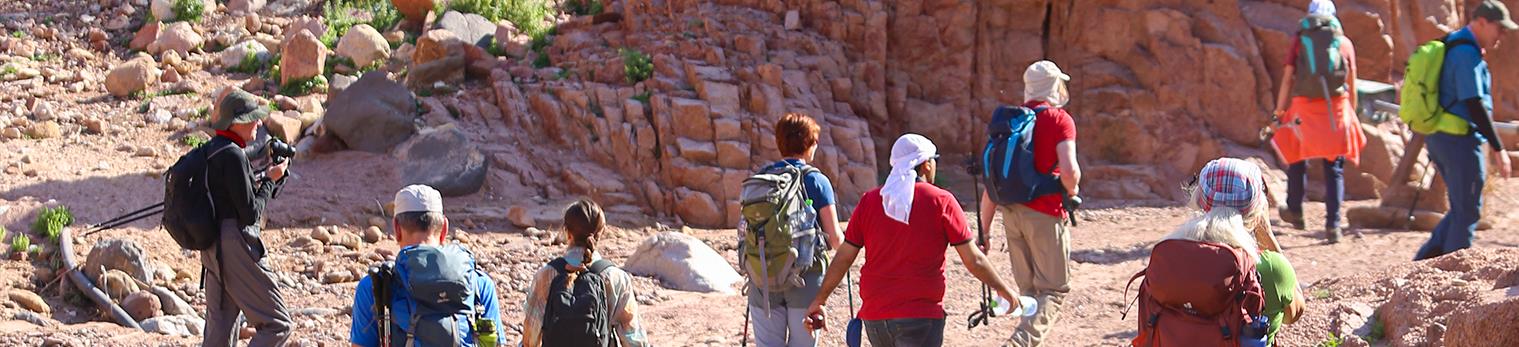
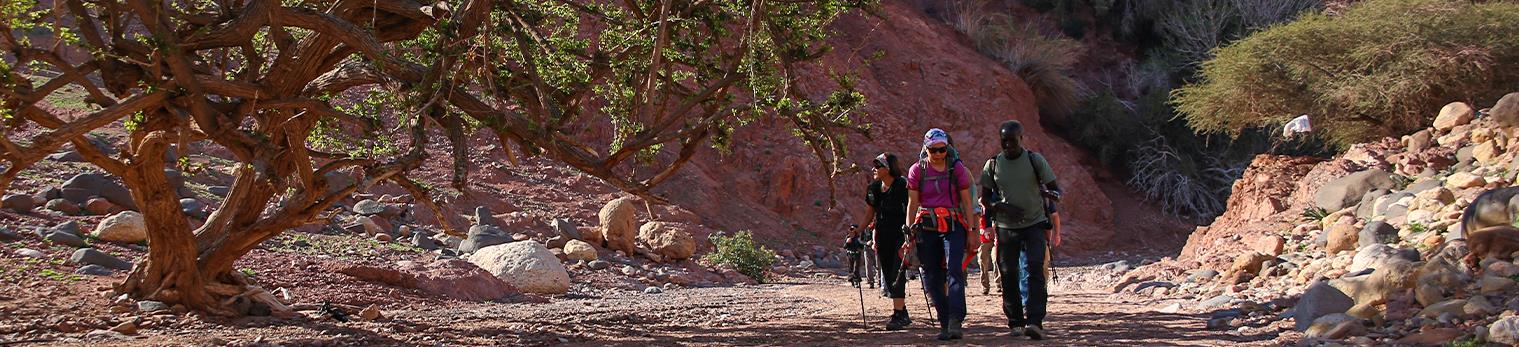
Our moderate hiking program takes you from the stark grandeur of Wadi Finan to the colorful facades of Petra.
Highlights
Organized in cooperation with Jordan’s RSCN ( Royal Society of the Conservation of Nature), this program offers the greatest possibilities for small- group birding in early spring and fall (late February-early April, October).
Visiting Sites:
Itinerary
Queen Alia Airport - Madaba
Meet and assist at the Queen Alia Airport. Transfer to the Amman hotel for overnight.
Amman
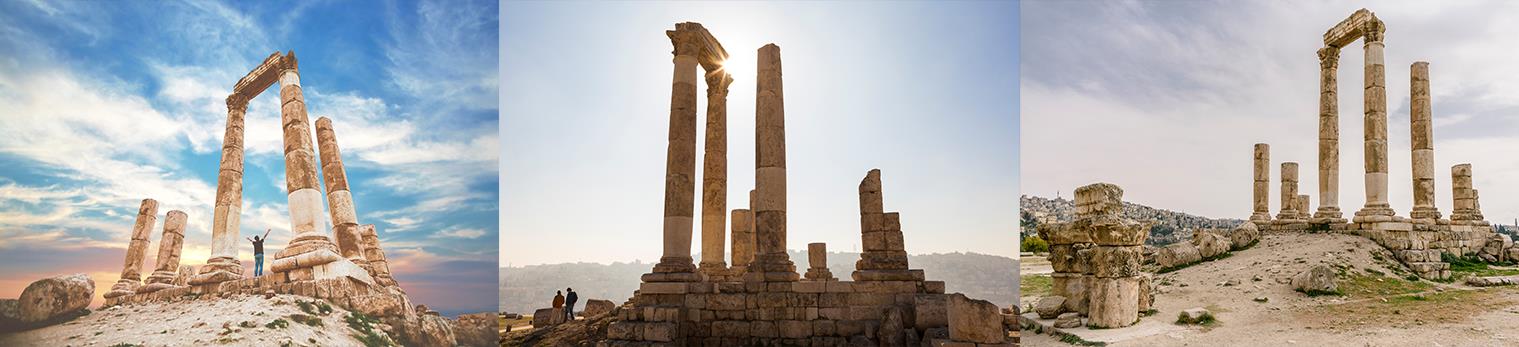
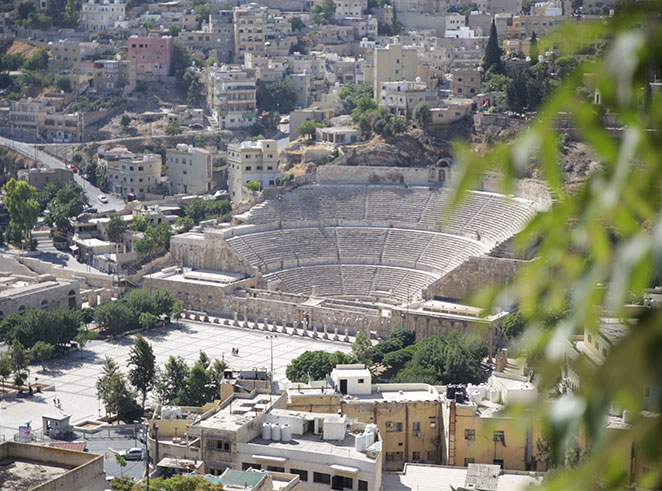
After breakfast, drive to Wild Jordan, the headquarters of the RSCN. A morning meeting will introduce you to the RSCN and its work in restoring and preserving the birding habitats of Jordan. A slide presentation will introduce many of the species you’ll be watching for throughout the program, and you will be given a list of the species of birds which have been sighted at various locations around the country. In the afternoon, enjoy a city tour of Amman including a visit to the Citadel and Archaeological Museum. Overnight Amman.
Madaba – Dead Sea – Wadi Mujib – Dhana Nature Reserve
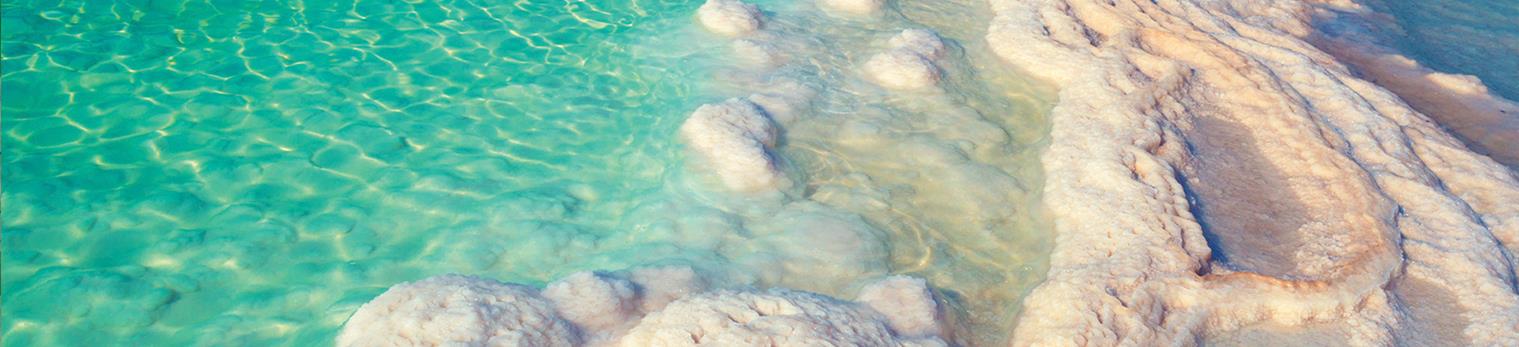
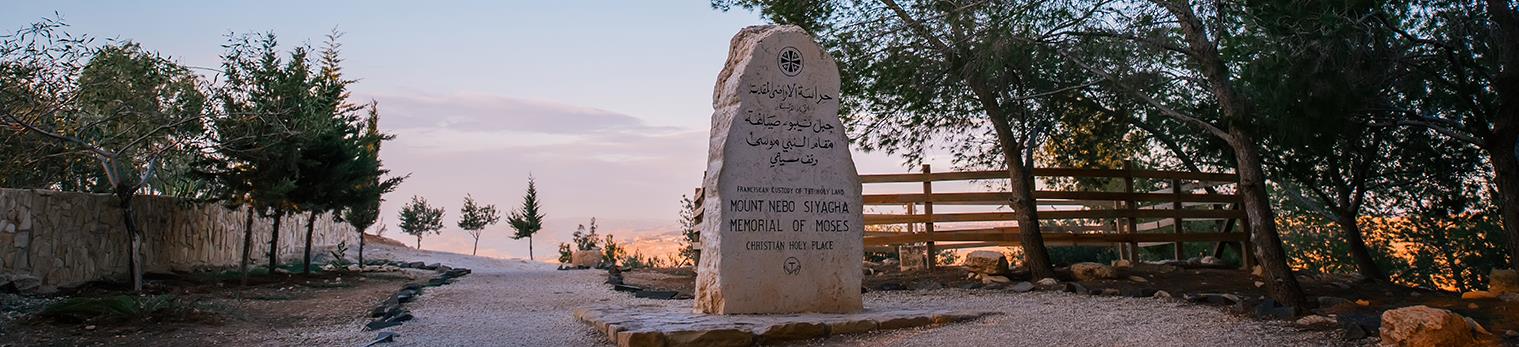
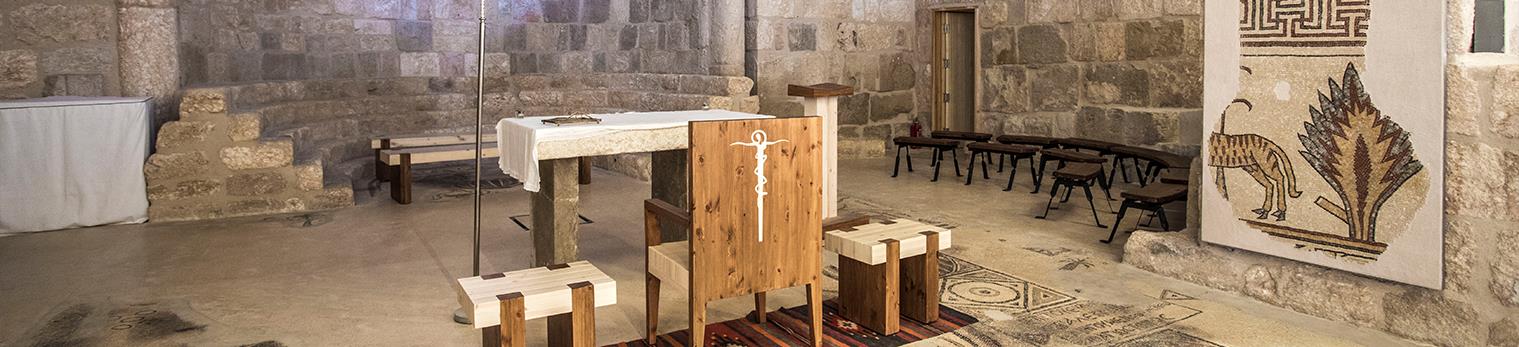
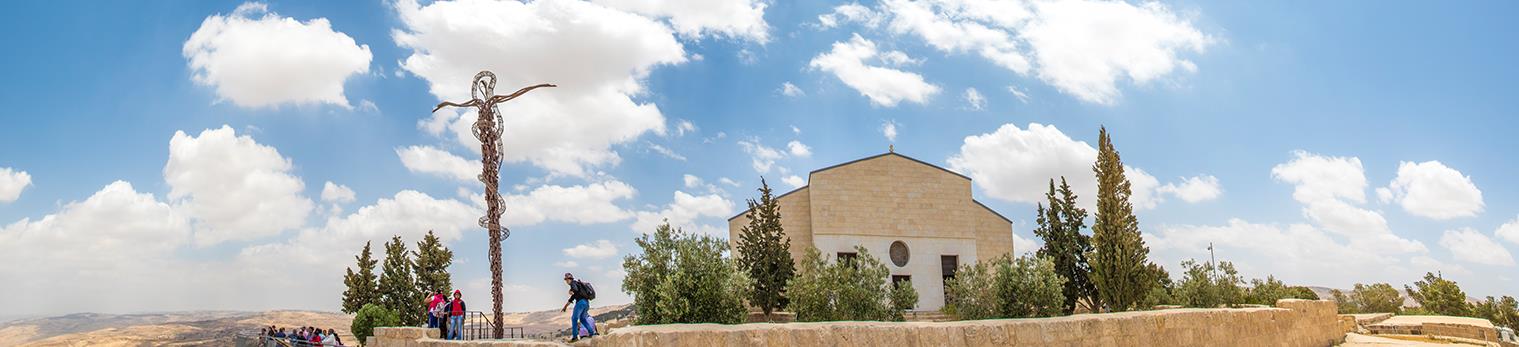
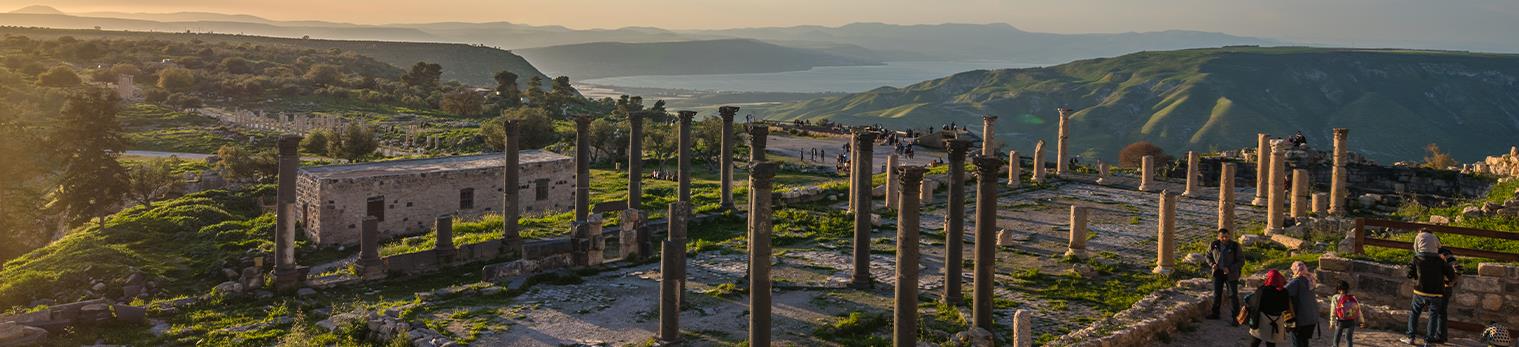
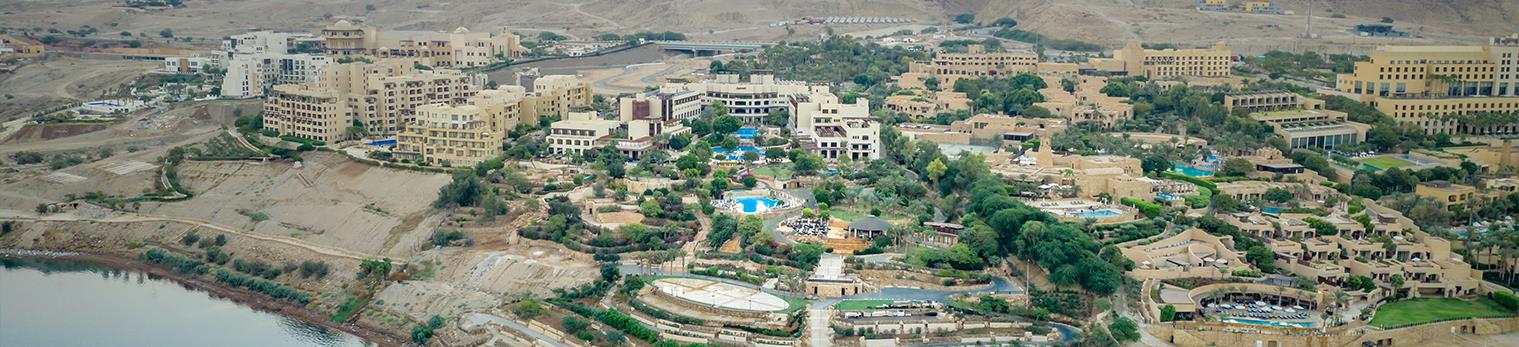
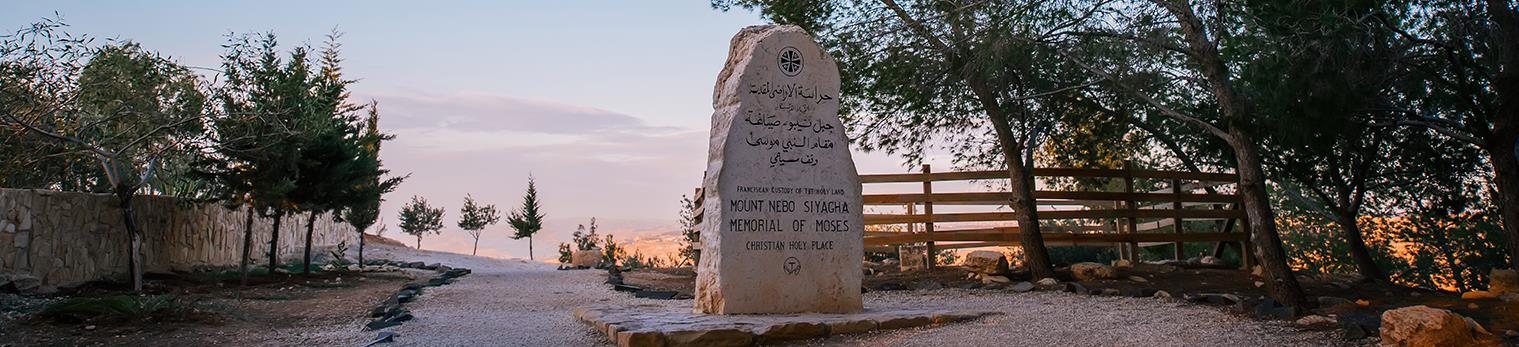
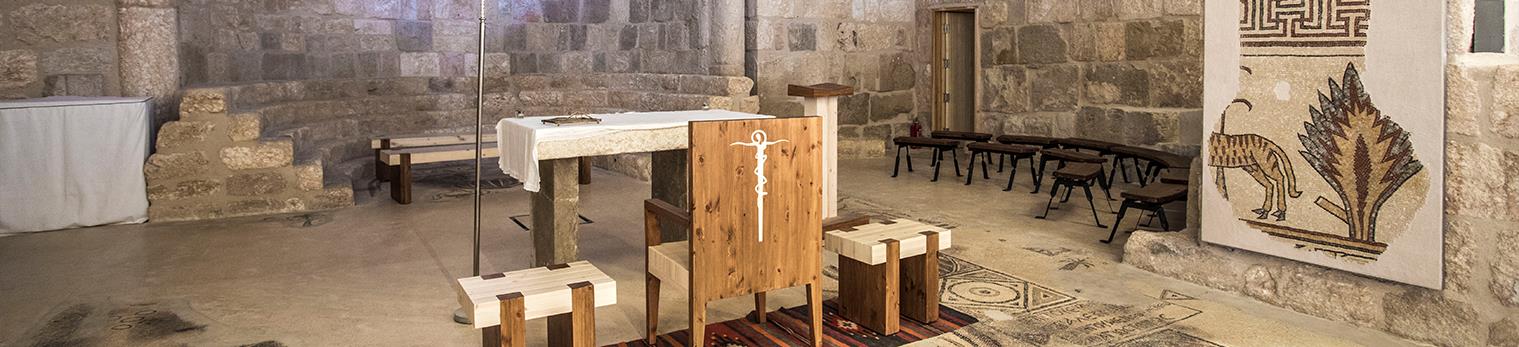
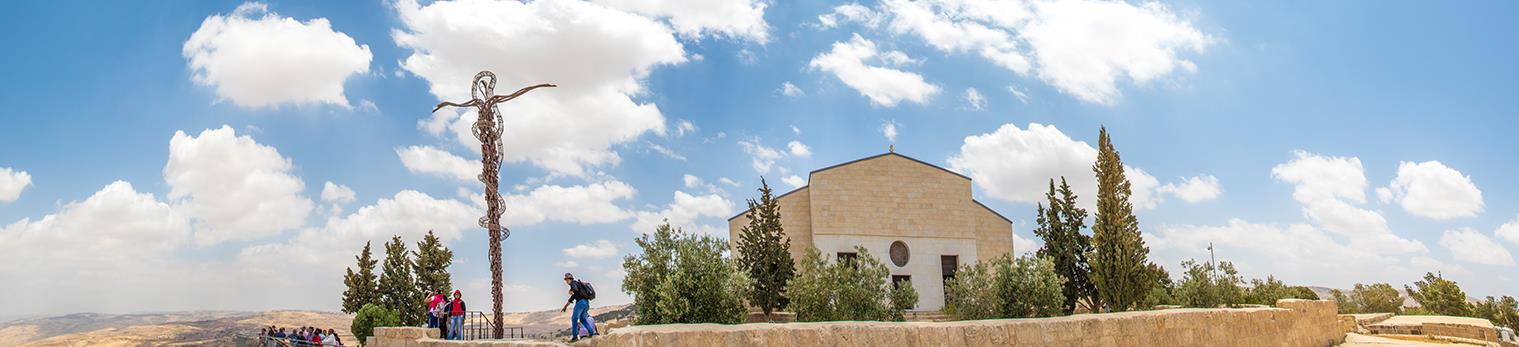
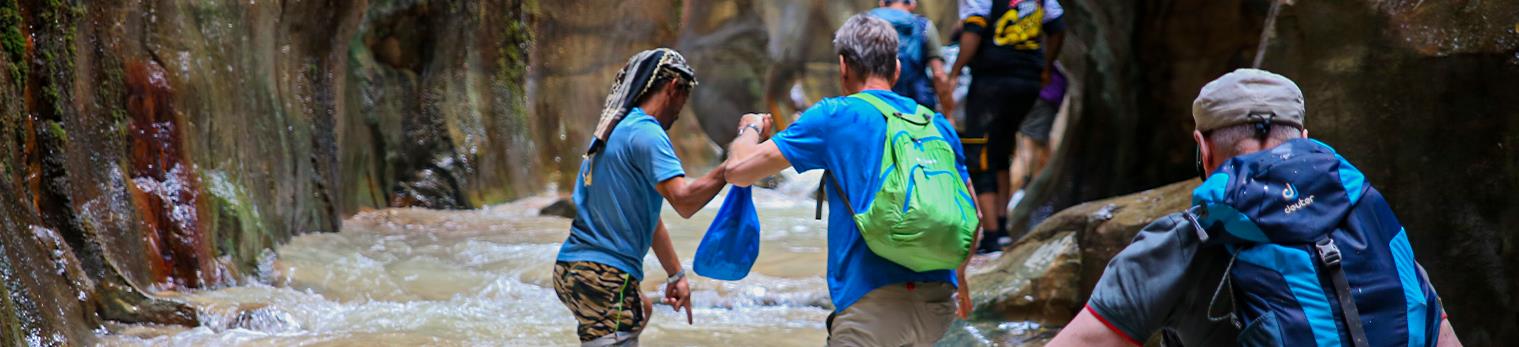
After breakfast take a stroll through the lovely town of Madaba, home to the world’s largest collection of mosaics. Visit St. George Church and the Madaba Archeological Park. Drive to Mt. Nebo and enjoy the panoramic view over the Jordan Valley. Then down to the Dead Sea and along the shores to the Wadi Mujib Visitors Centre for a hike into the mouth of this beautiful canyon. Here the House Bunting, the Sinai Rosefinch and the Little Green Bee-eater can be seen, as the Kingfisher and other waterbirds that come to the fresh water. The Grey Heron has an easy pick at the freshwater fish that find themselves entering the deadly Dead Sea. Continue to Safi and drive from there through the mountains to Dhana Nature Reserve. In the evening you will have an introduction to Dhana, the reserve and the way in which RSCN tries to involve local people in the preservation of nature. Dinner and overnight in Dhana
Dhana
In the morning you will explore Dhana with one of the expert RSCN guides. The Dhana Nature Reserve is a system of mountains and wadis, extending from the top of the eastern Rift Valley to desert lowlands of Wadi Araba, an elevation drop of over 1600 meters. It embraces two major biogeographical zones and four distinct vegetation zones. This condensed variety of landforms and habitats, combined with dramatic changes in elevation, results in a vast biological diversity. Many of the species are now very rare and some threatened to extinction: animals like the Sand Cat, the Syrian wolf, the Lesser Kestrel and the Spiny Tailed Lizard. So far, 25 endangered or vulnerable animals have been found in the reserve, making it an area of global importance. More than 200 bird species have been recorded in the reserve, of which 33 species are of global and regional importance. It is impossible to mention all the birds that can be spotted. There are many local birds that breed in spring, there are resident birds of prey, among one the Griffon Vulture and different species of owls. And then there are the migrants. Thousands of birds pass over Wadi Dhana in springtime. You will have a box lunch and a free afternoon to explore Dhana yourself. Dinner and overnight.
Dana – Wadi Finan
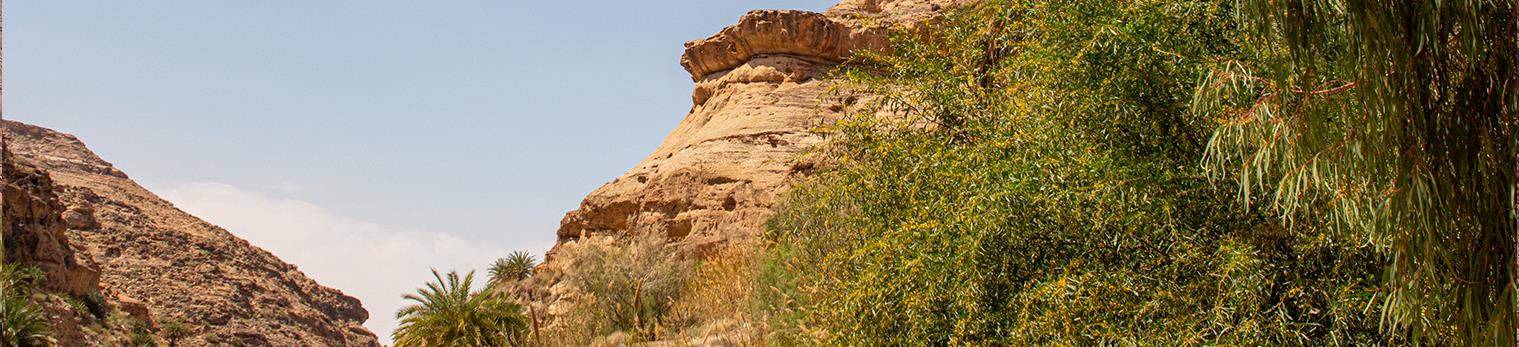
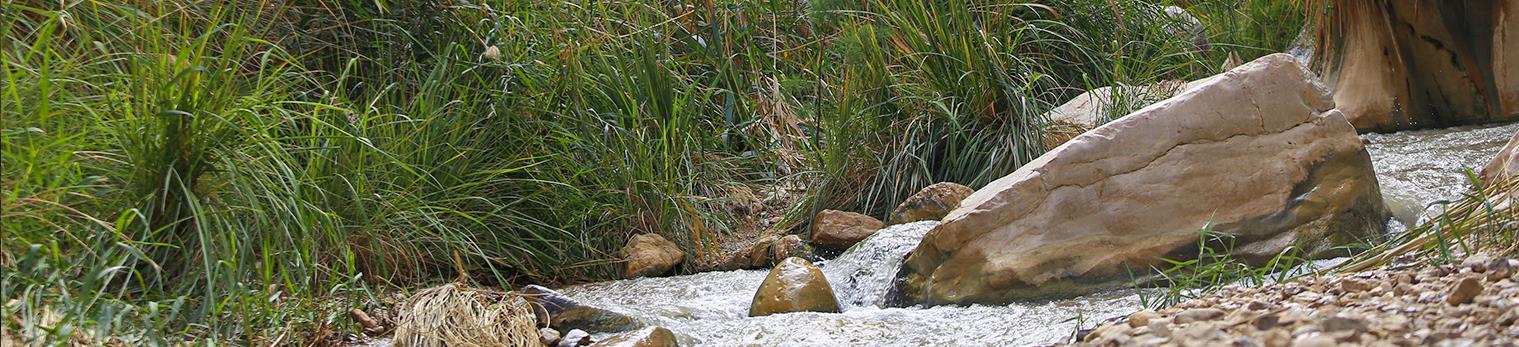
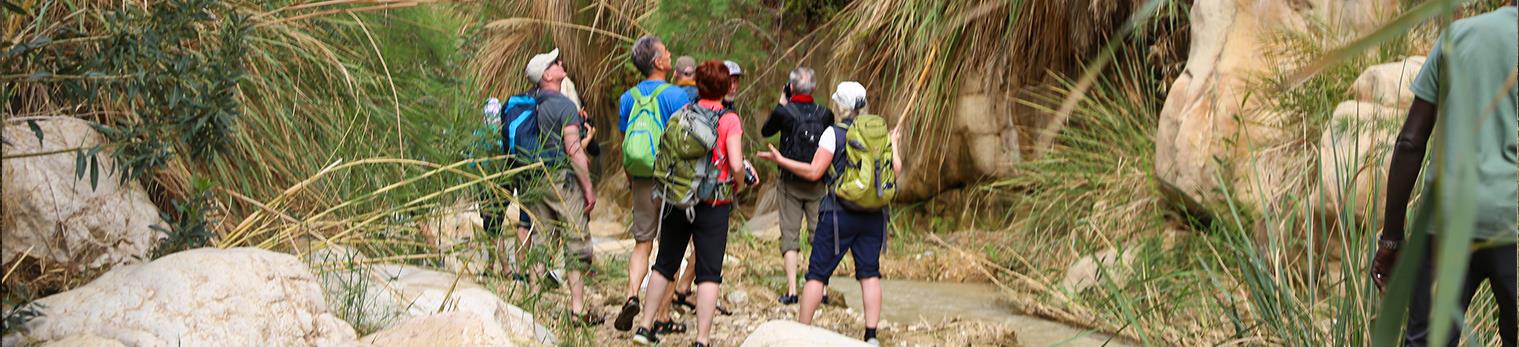
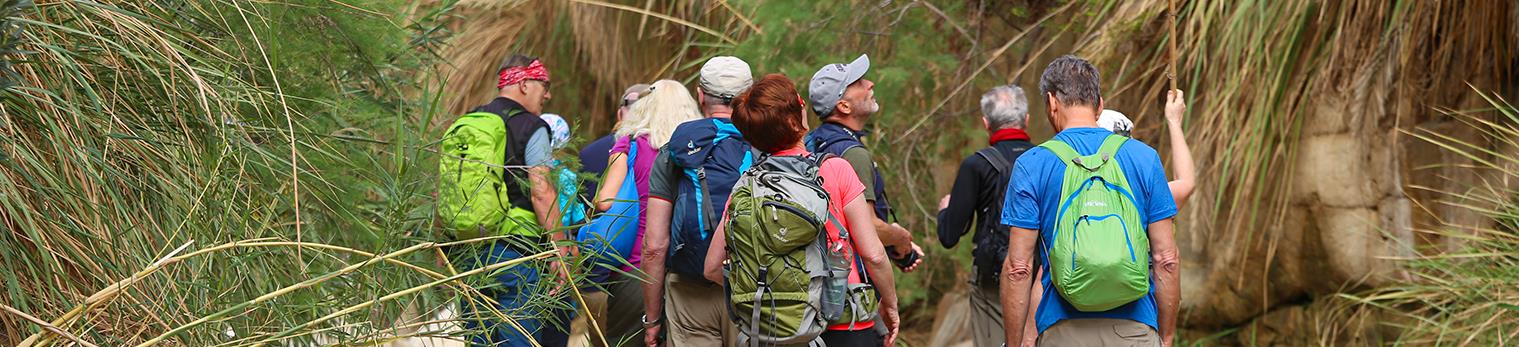
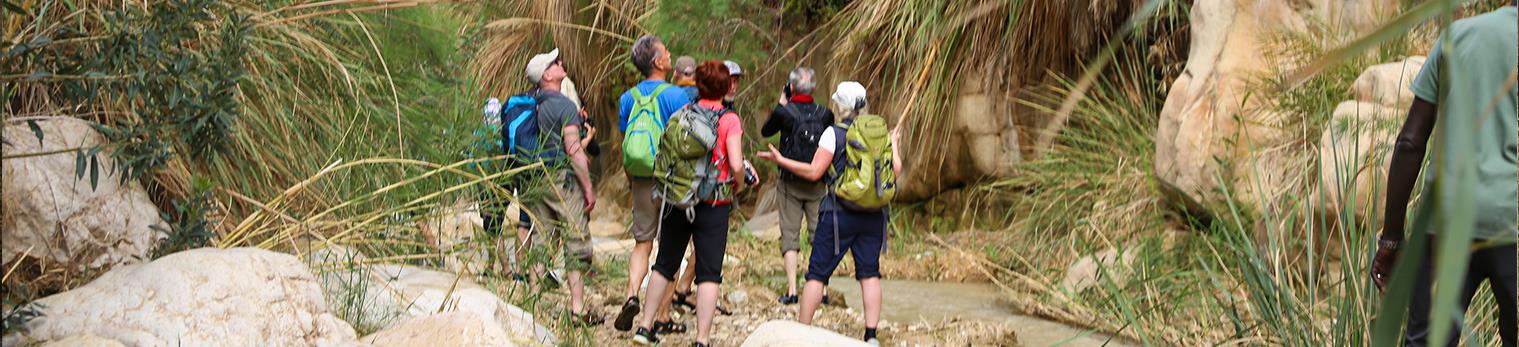
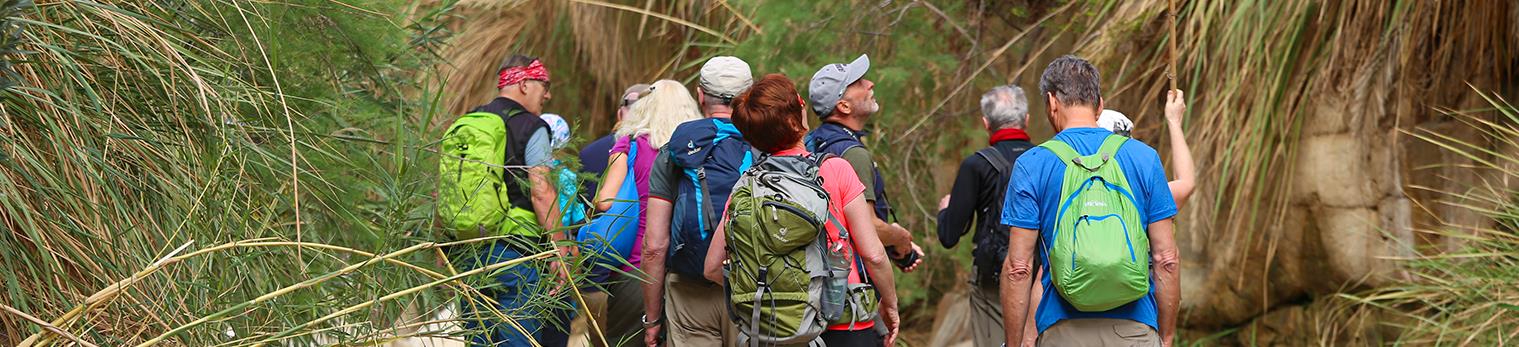
Hike with the RSCN guide through scenic Wadi Dhana, a 14 km downhill walk to the RSCN lodge in Wadi Finan. Take your time in spotting all the beautiful birds in this green valley. The Wilderness Lodge in Finan uses environmentally friendly technologies, including solar and candle power. Overnight at the Lodge.
Wadi Finan – Aqaba
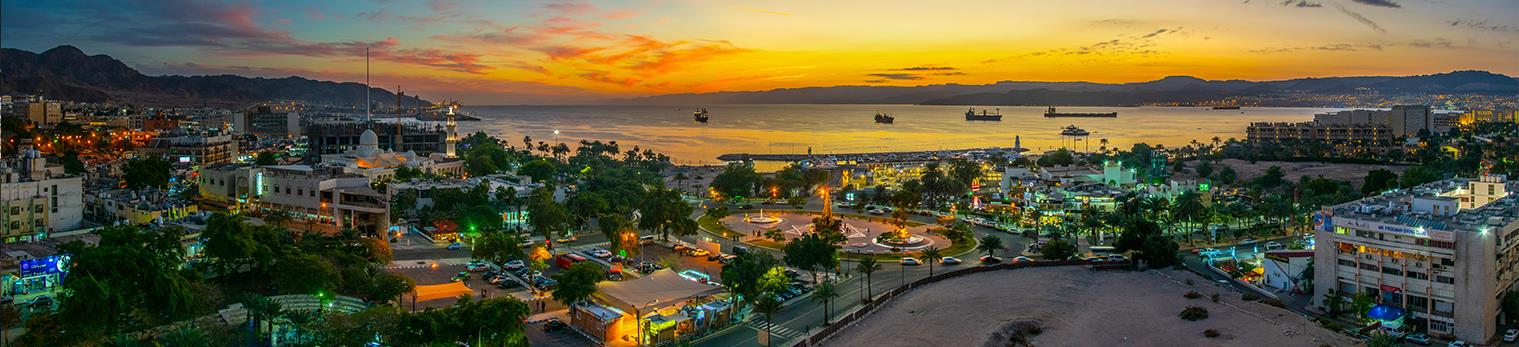
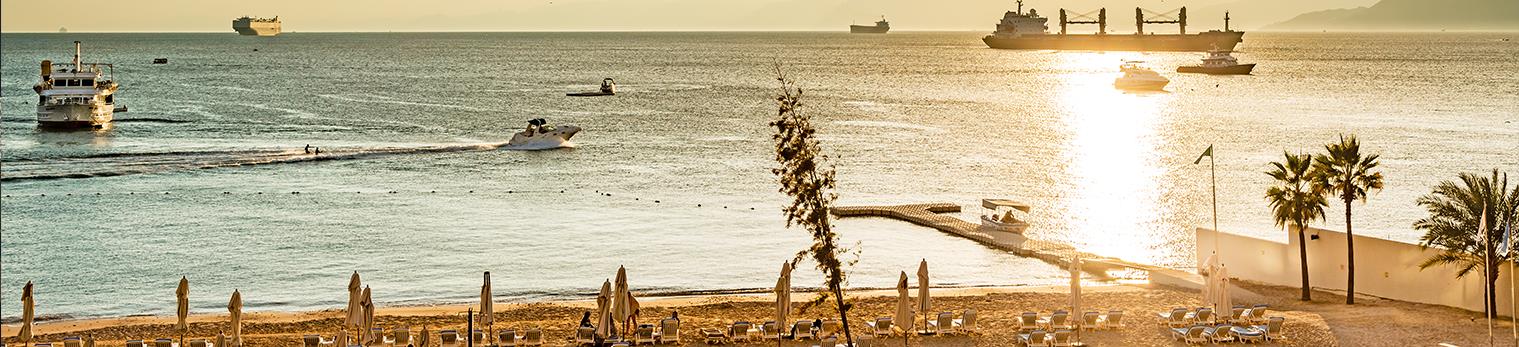
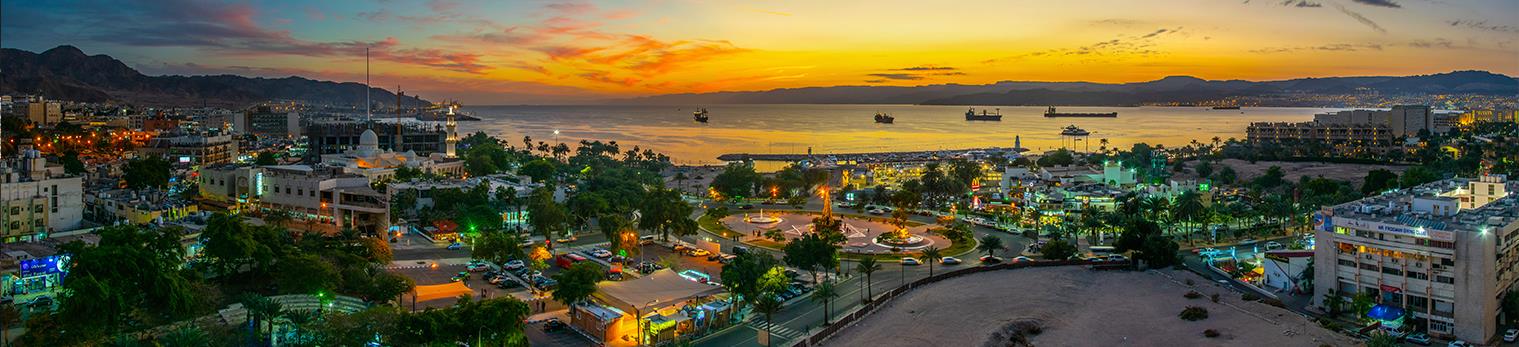
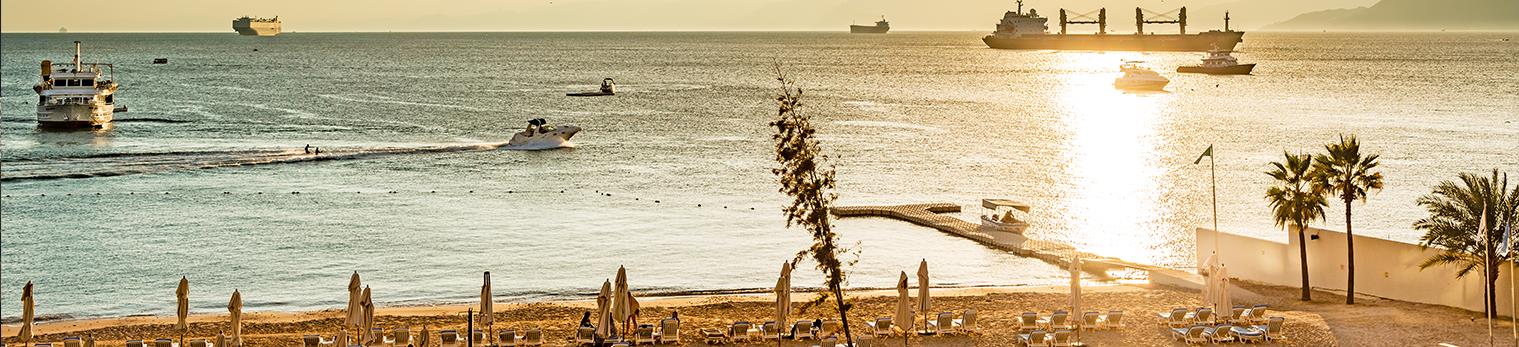
Early morning hike from the Lodge to Gregra. In the rocky area around Gregra you can find partridges, the Desert Lark and the Blackstart. On the farms it is possible to spot all kind of migrants, and the acacia trees are the habitat of the Little Green Bee-eater, the Arabian Warbler, the Arabian Babbler and the Orange tufted Sunbird. In the flat desert part, before arriving to main road to Aqaba, you can spot a Desert Wheatear, or a Scrub Warbler, a Bar-tailed Desert Lark and the Hoopoe. From the main road the coach will take you to Aqaba through Wadi Araba, the southern continuation of the Jordan Valley and the Dead Sea rift. Because of its former importance as a military zone it is a relatively unspoiled and very beautiful desert, which you will be crossing. The Red Sea port of Aqaba has several bays where many gulls, terns and waders can be spotted, especially early in the morning. If you are lucky, you can see a White-eyed and/or Slender-billed Gull. After check in you are free to explore these surroundings by yourself, or just enjoy the beach and some snorkeling. Overnight in Aqaba.
Aqaba – Wadi Rum
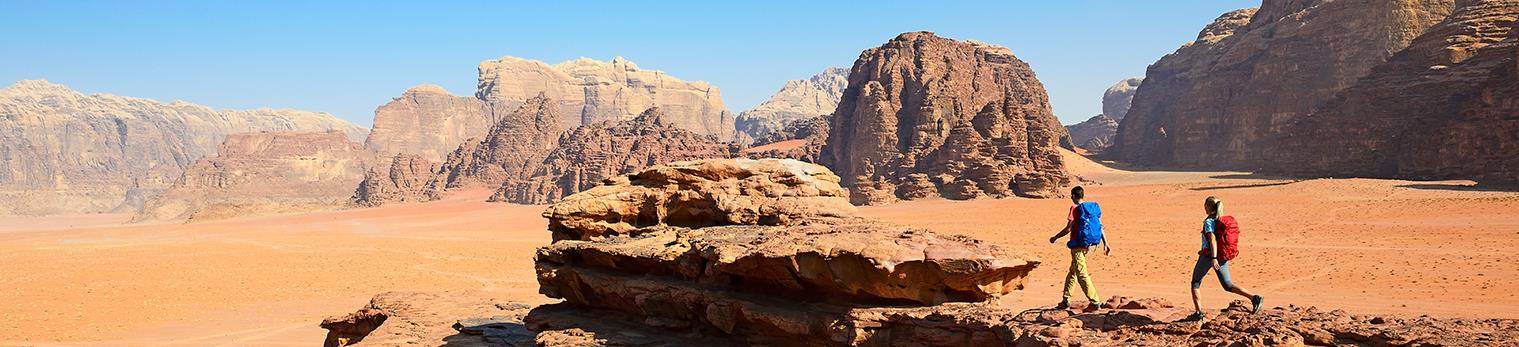
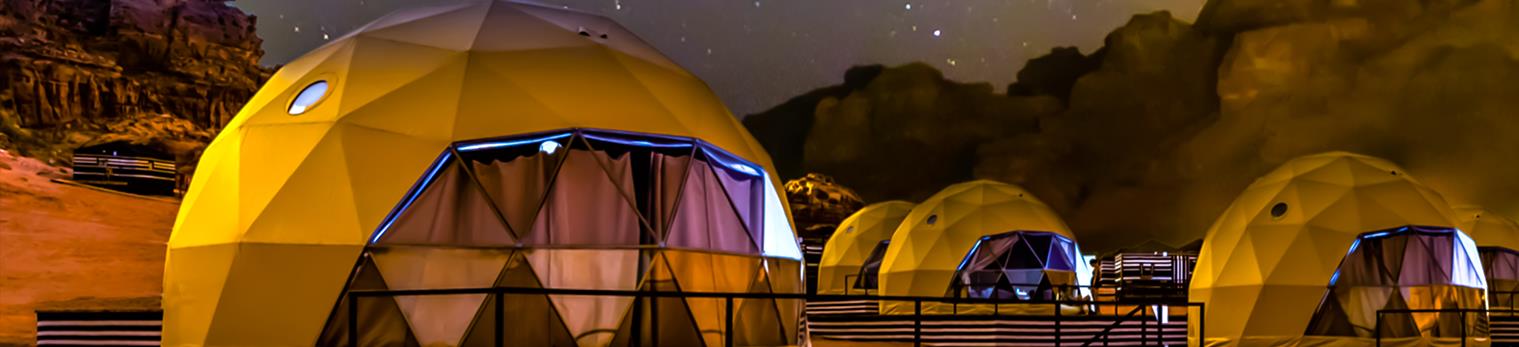
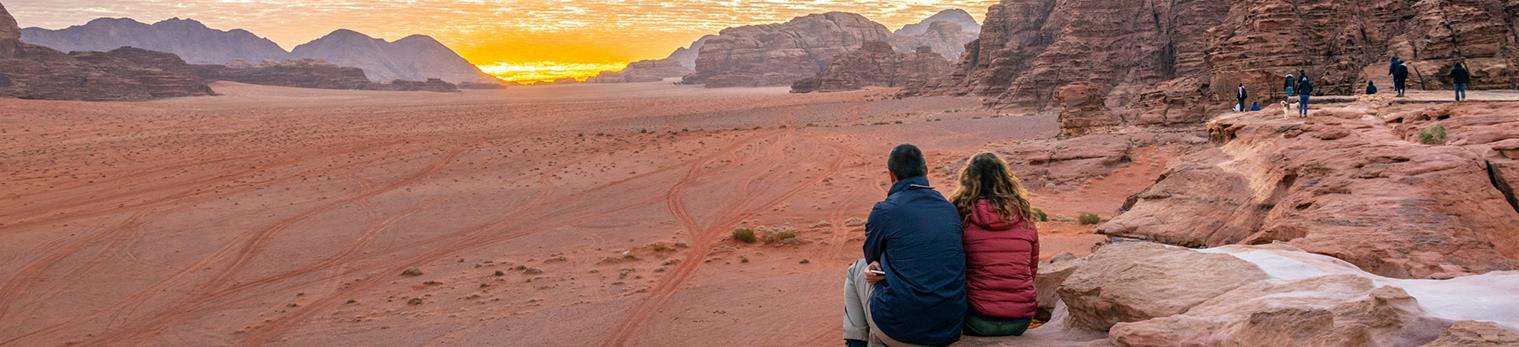
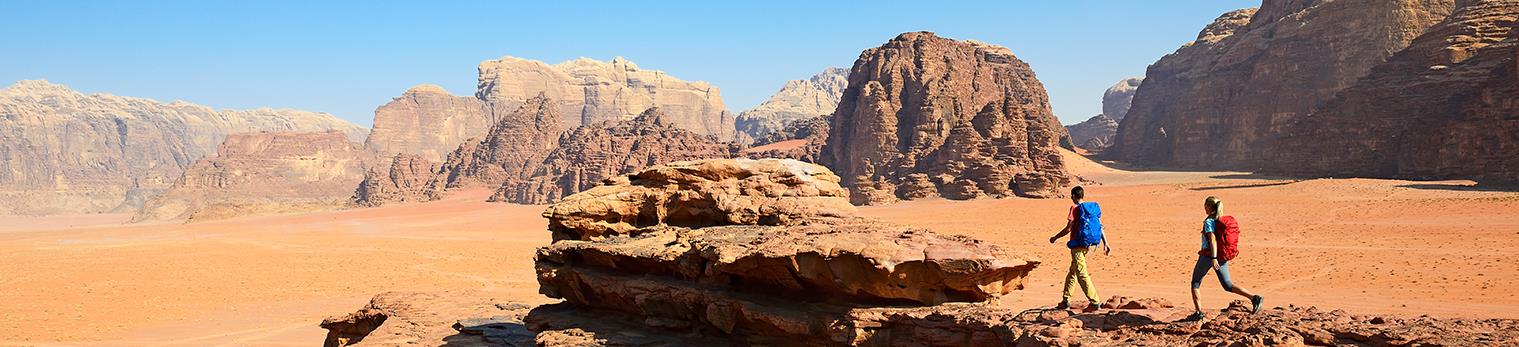
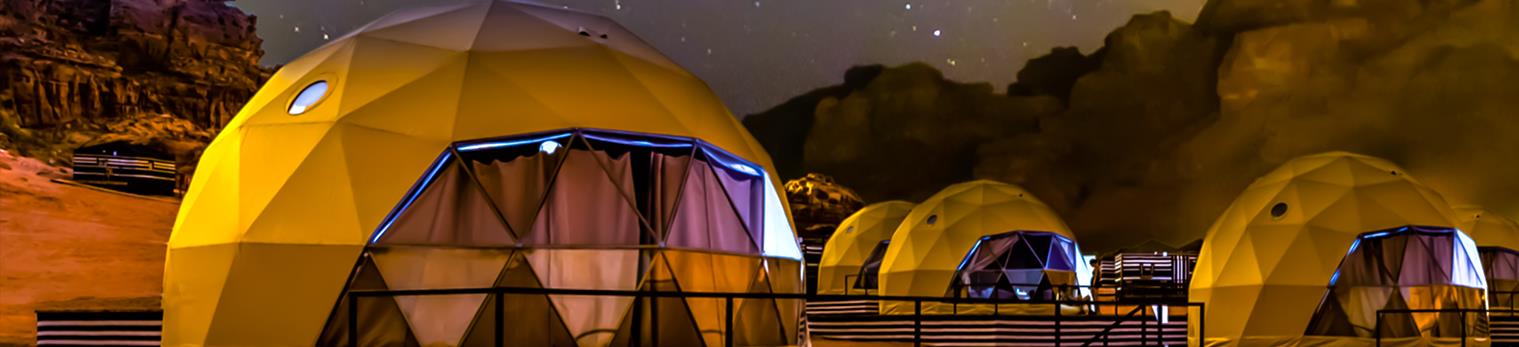
In the early morning you will visit the wastewater plant in Aqaba. This site is a favorite destination for many migrant birds traveling along the Gulf of Aqaba each spring and fall. Any tree, bush, dripping irrigation pipe or pool of water is a welcome sight for a tired migrating bird, just arrived from a flight over the sea or desert. With the economical growth of Aqaba there are many more places now for birds to rest, like palm trees, gardens and irrigated fields. And with the people came also a large wastewater treatment plant that is now one of the region’s premier bird watching sites! Return to the hotel for free time and lunch. In the early afternoon, you’ll depart by jeep into the moonscape terrain of Wadi Rum. In this legendary desert and her cliffs and bushes you can spot species like the Long-legged Buzzard, Sand Partridge , Desert Lark, the Trumpeter Finch, the Sinai Rosefinch and many others, some rather rare. The two specialty birds of prey that can be seen in the Rum desert are Verraux’s Eagle and Sooty Falcon (the latter only present between May and October). On the way to the campsite where you will spend a glorious million stars night, you will visit one of the large farms that use underground water reserves to irrigate the mudflats. These little-explored farmfields, the potato and alfalfa fields can be full of pipits and larks. But also wetland birds can be found in this otherwise desert habitat. Dinner and overnight at a private campsite in the desert.
Wadi Rum – Petra
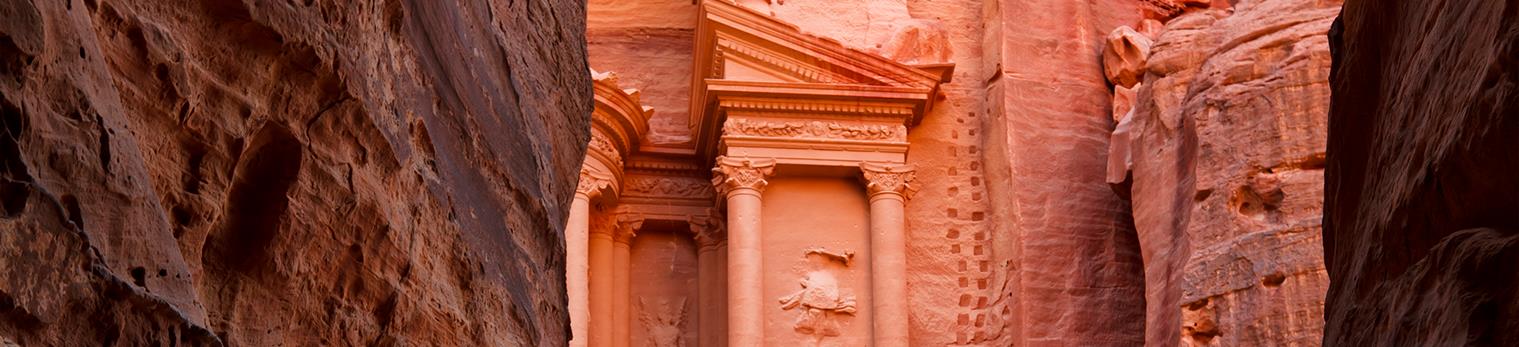
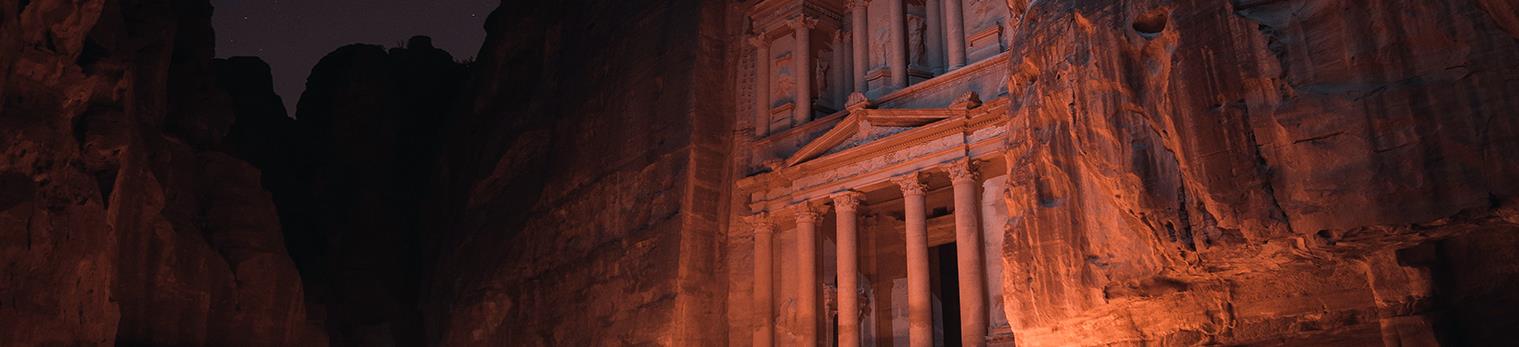
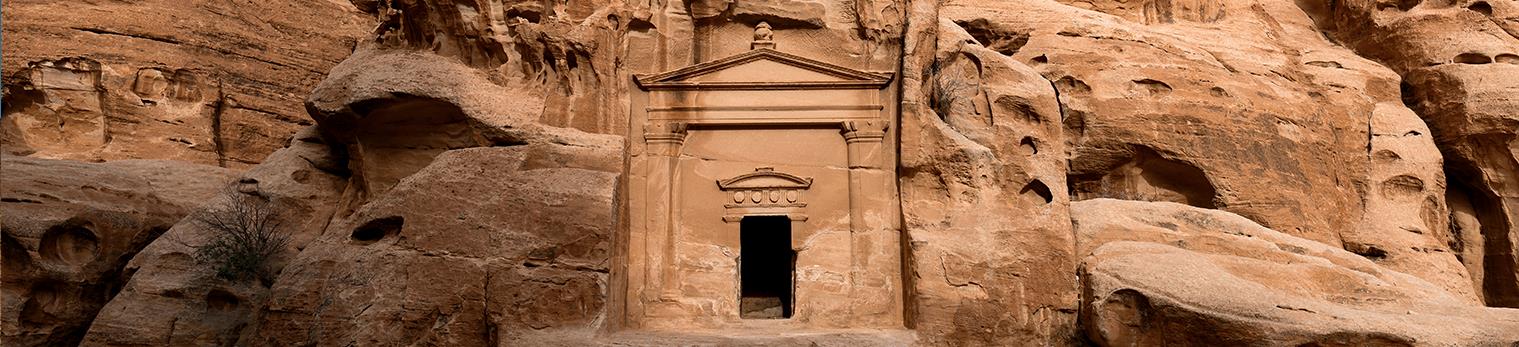
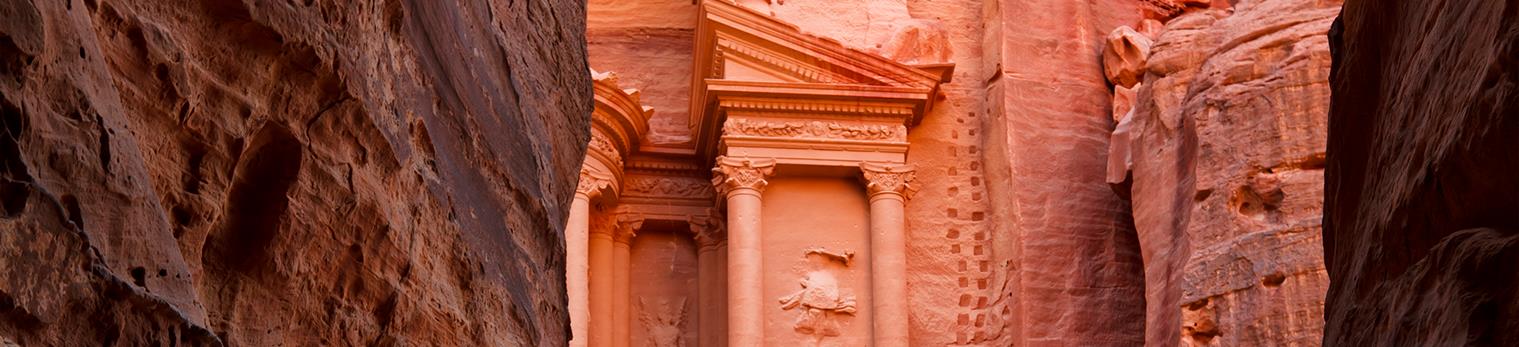
Early morning transfer to the astonishing rose-red city of Petra. Enter through the mile-long Siq to explore some of the facades carved directly into the sandstone mountains which formed the ancient city’s defensive walls. Overnight Petra.
Petra
Early morning guided bird watching in and around Petra. Maybe you will spot a Tawny Owl and different falcons. Sure you will meet the Sinai Rosefinch and the Palestine Sunbird. In the vegetated wadis and near traces of water like Wadi Siyyagh you will find many migrants in the right season. Typical birds of the Petra area are the Bonelli’s Eagle, Sooty and Barbary Falcon, Rock Martin, Black Wheatear, Arabian Babbler and many others. Migrants pass over in large numbers. They can land everywhere, sometimes all together in one tree. Overnight Petra.
Petra –Azraq
You will cross the extensive eastern desert of Jordan, a remote part country that is hardly visited. You drive through the semi arid dessert to the wetlands of Azraq, a unique wetland oasis with built pools, seasonally flooded marshland and a large mudflat. Azraq Wetland Reserve is the only oasis in this whole region and one of the major stop-overs for birds moving between Eurasia and Africa. It also attracts the local wildlife such as hyenas, jackals, foxes etc. In the evening there will be a short lecture on the reserves and the birdlife in particular. Overnight in Azraq.
Azraq
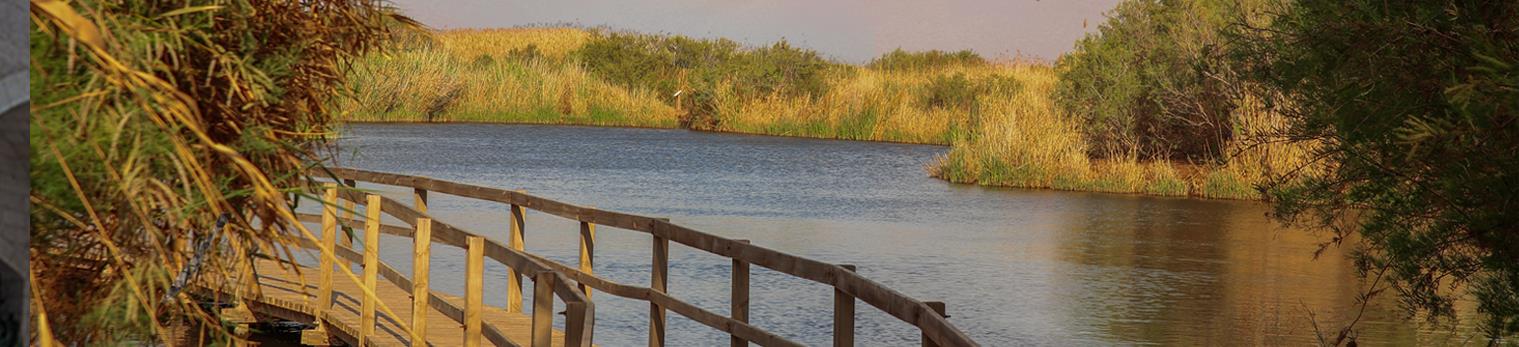
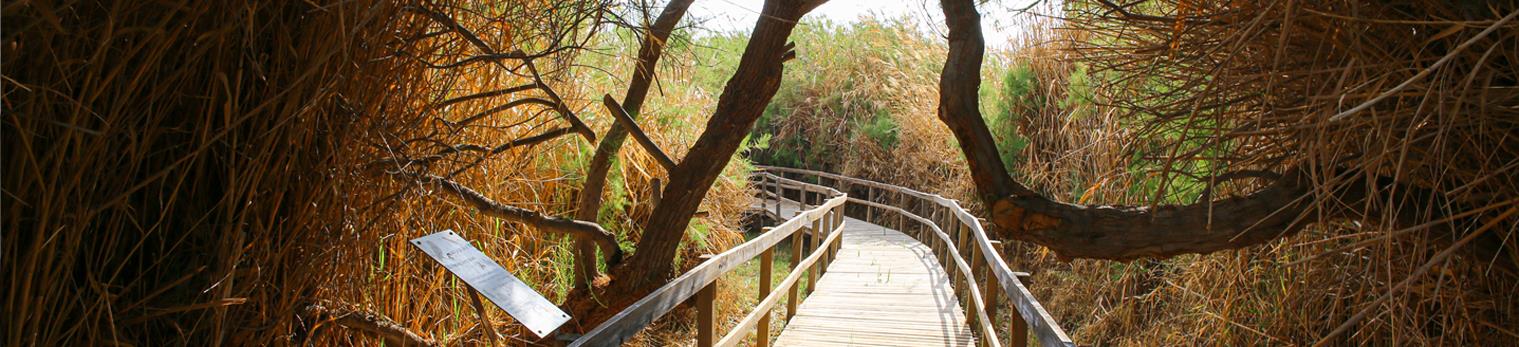
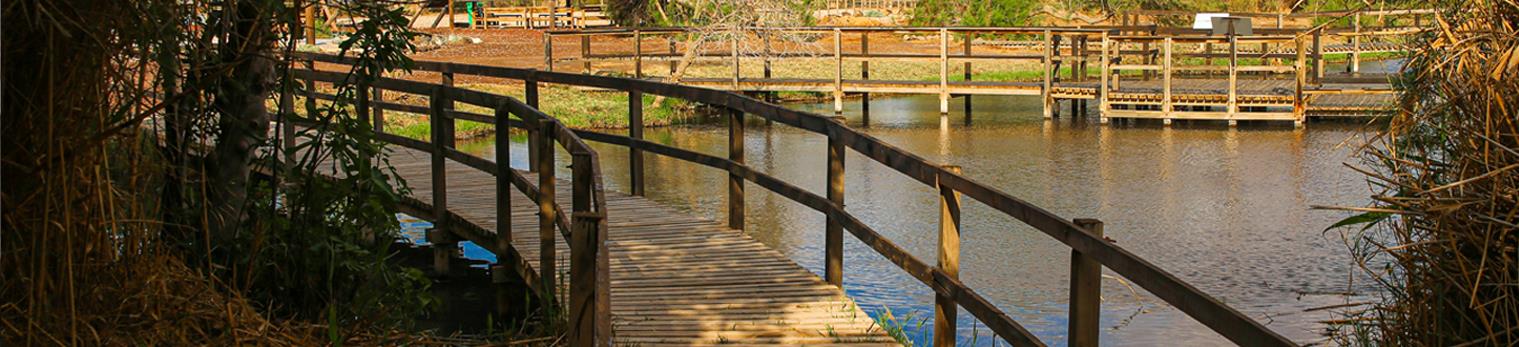
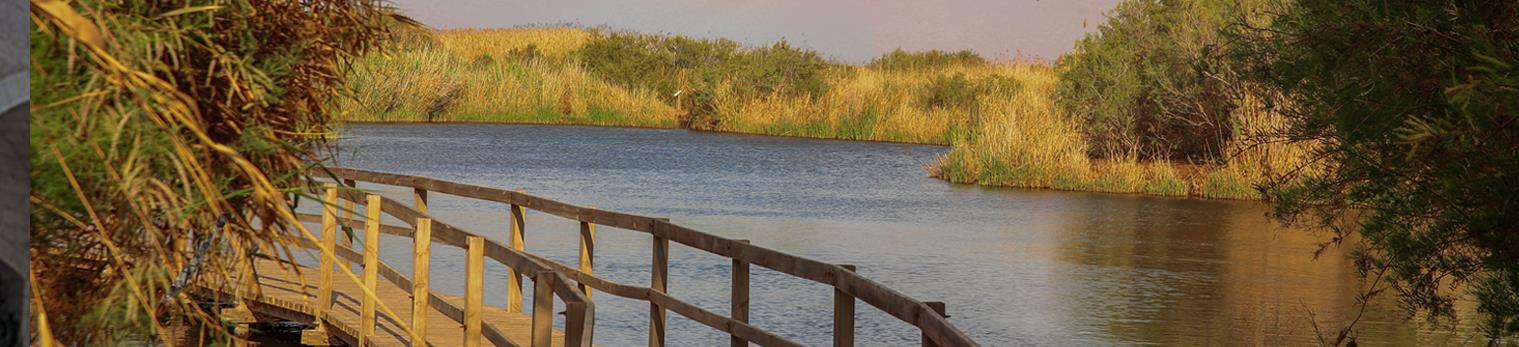
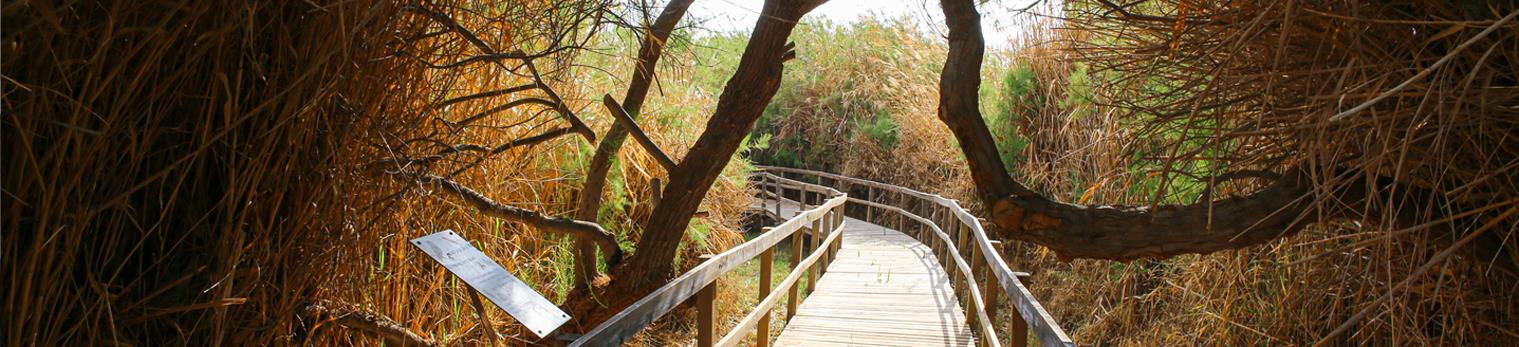
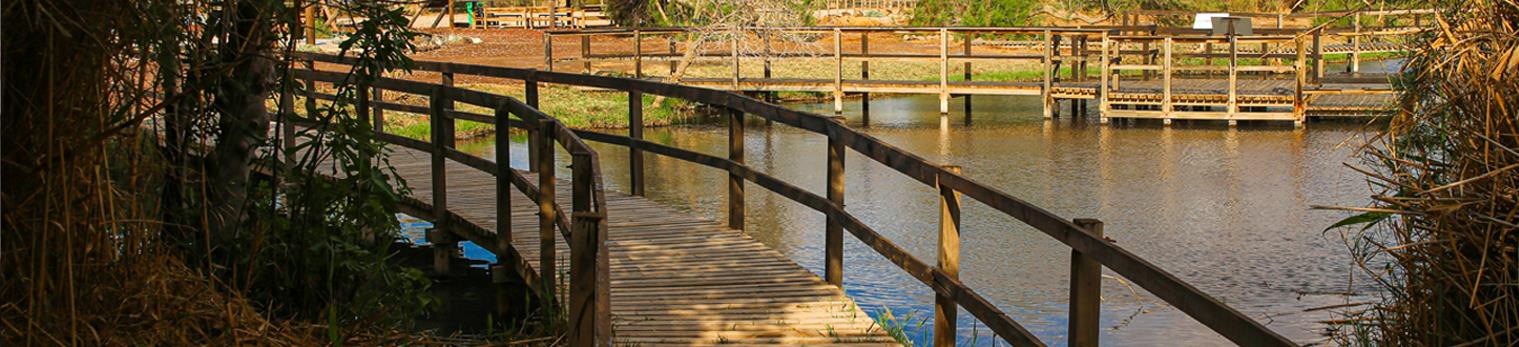
Whole day bird watching in the Azraq wetlands and surrounding area. The word Azraq means ‘blue’ in Arabic and before water pumping for the growing population of Amman and Zarqa began in the eighties, the oasis provided a sparkling blue jewel in the desert, attracting up to half a million migrating birds at any one time. By 1993, however, the extraction of water was so great that no surface water remained and its ecological value was virtually destroyed. With international support, a rescue effort started in 1994 and a significant portion of the wetland has been restored. Many of the birds for which the oasis was renowned are coming back and special boardwalks and bird hides have been constructed to enable visitors to see and enjoy them. Overnight in Azraq.
Azraq – Burqu – Azraq
Day trip bird watching at the remote Burqu Lake. Far in the east of Jordan on the way to the Iraqi border lies the Qasr (Castle) Burqu. The castle is connected to a large lake that is 2 km long and 500 m wide, which is an amazing sight in the middle of this dry basalt desert. The Romans dammed the wadi to create a water reservoir, which now is an important site for migrating birds, as are the adjoining mud flats. It is an impressive thought that this castle can be one of the last ”Roman” structures in the eastern desert marking the end of one region and the beginning of another. The importance of the area for migrant birds can hardly be overestimated. Large numbers of ducks, waders and raptors can be seen. Overnight in Azraq .
Azraq – Jerash – Ajlun
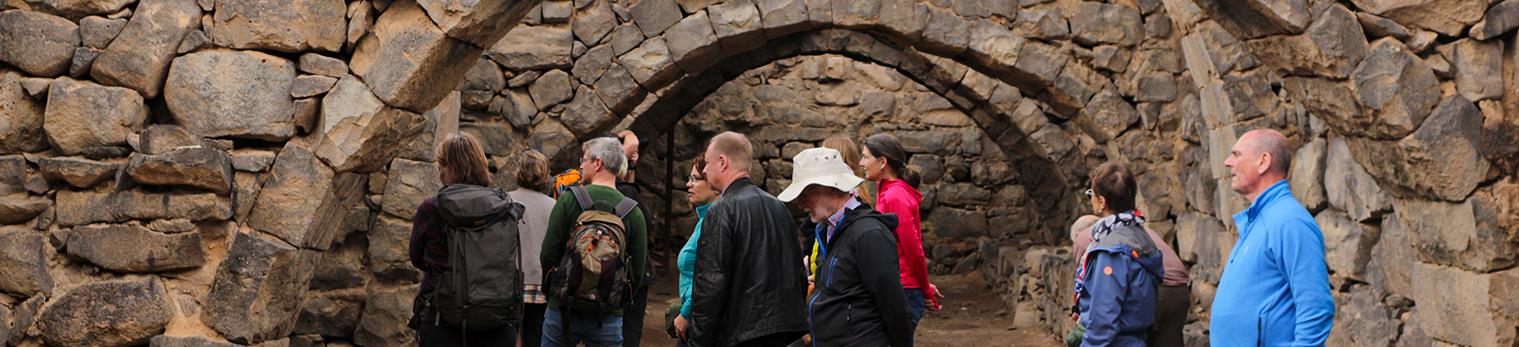
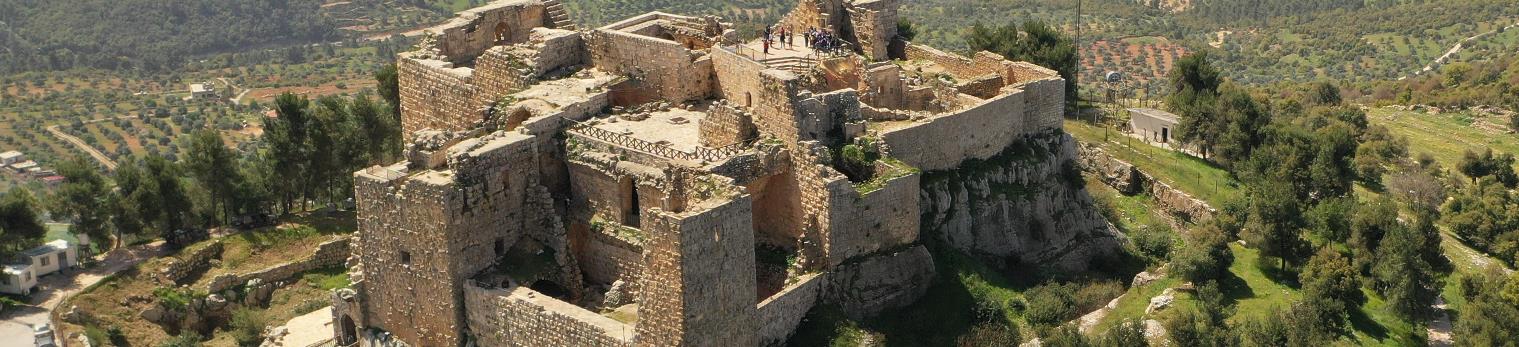
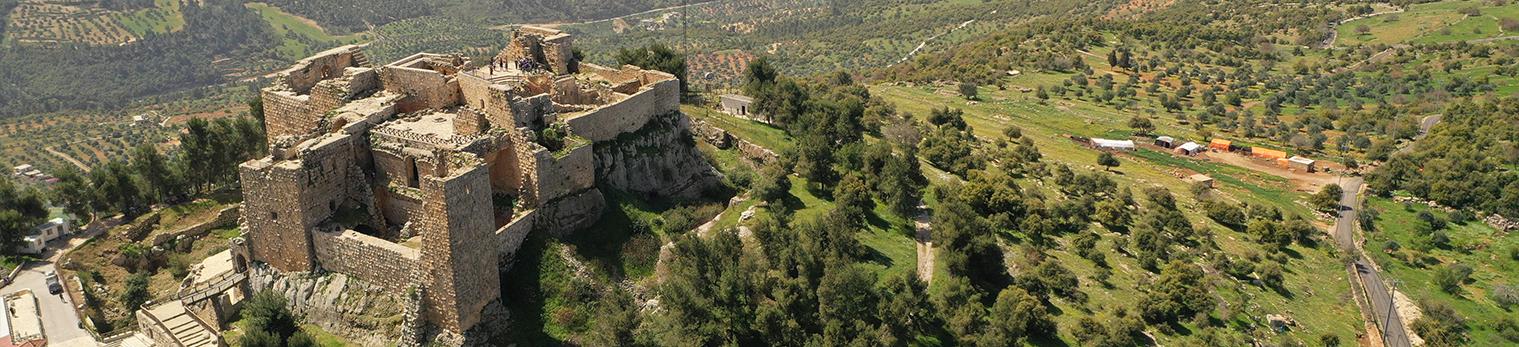
In the morning you will leave for Jerash, one of the world’s best-preserved Roman provincial cities. You walk from the acoustically perfect South Theater to the Cardo, where marks of chariot wheels can still be seen on the paving stones, to the Temple of Artemis, to the market area with its well-preserved stalls and shops to the towering forest of columns in the forum. This site will give you a vivid impression of how life was lived in this important trading city 2,000 years ago. After Jerash you visit the Dibbin National Forest. It is a Mediterranean pine and oak forest and the breeding population includes woodpeckers, blackbirds, warblers, blue tits, sparrow hawks, robins, finches and many more species. In the evening you will be given some information on the reserve and its birdlife. Diner and overnight in Ajlun Nature Reserve. Day at the Ajlun Nature Reserve Whole day hiking and bird watching in the Ajlun Reserve. The reserve is located in the Ajlun Highlands in northern Jordan, around the village of Umm al-Lanai' north of Ajlun. It is an area of rolling hills covered by dense woodlands of evergreen oak, interspersed with pistachio, carob, and wild strawberry trees. The trees have been important to local people for their wood, scenic beauty, and quite often for medicine and food. Birdlife International declared the area an Important Bird Area. Diner and overnight in Ajlun Nature Reserve
Departure Transfer to Queen Alia Airport for departure